
Why Active Seating Is Transforming the Modern Workplace
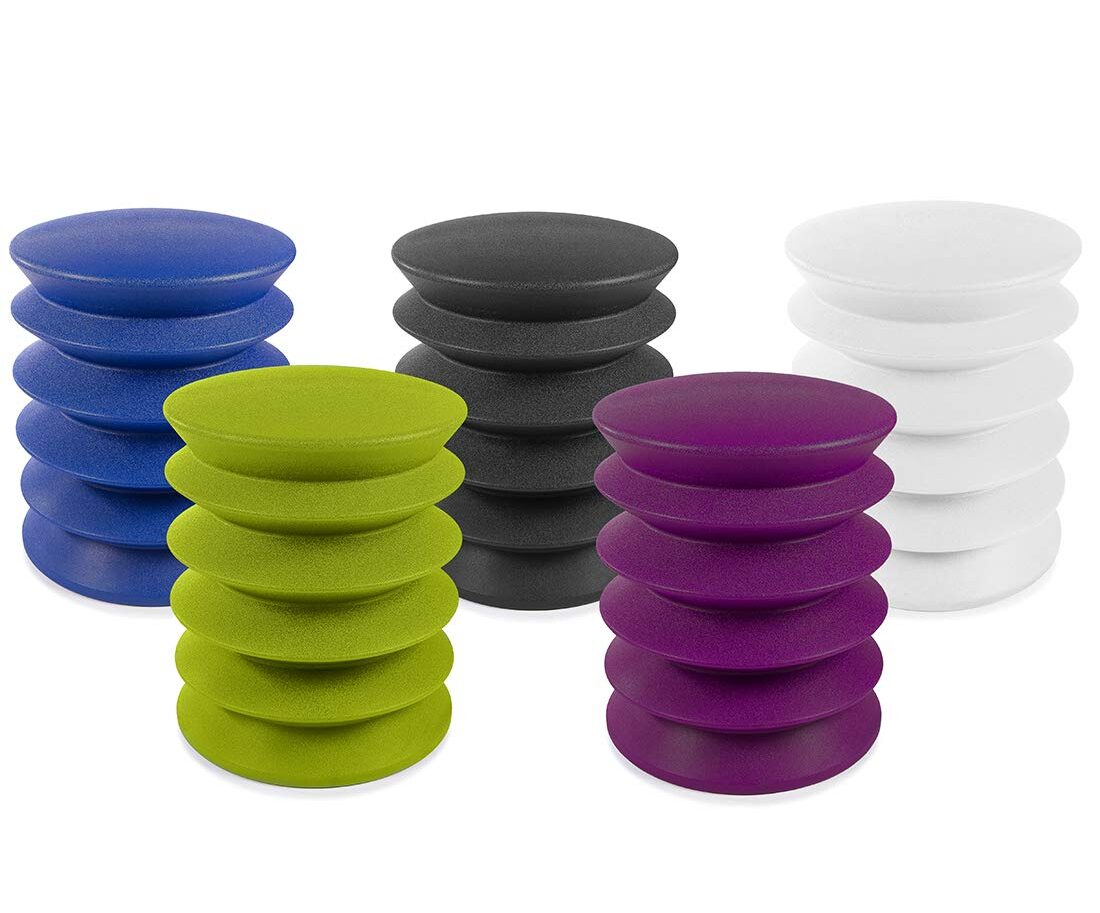
Active seating is reshaping the way employees interact with their work environment. By encouraging subtle movements and better posture, this type of seating offers a healthier alternative to traditional office chairs. Modern offices are increasingly incorporating office active seat solutions to reduce discomfort and support long-term wellness. Beyond comfort, active seating allows employees to stay engaged and focused, creating a more dynamic and productive workspace. Businesses looking to upgrade their office environment can benefit from exploring modern seating solutions designed for movement to see how these options integrate seamlessly into contemporary workspaces.
Understanding Active Seating
Active seating is designed to promote motion even while sitting. Unlike standard chairs, products such as active stools or ergonomic stools allow gentle shifts in posture, activating core muscles and improving circulation. These micro-movements help reduce strain on the back and hips, contributing to overall well-being during the workday.
Benefits include:
- Improved posture and spinal alignment
- Reduced discomfort from prolonged sitting
- Increased core engagement
- Enhanced focus and energy
The flexibility of active seating makes it suitable for individual workstations, collaborative areas, and training rooms.
Why Office Active Seats Are Gaining Popularity
As offices embrace more agile and collaborative layouts, static seating no longer meets the needs of a modern workforce. Office active seats are designed to support movement while maintaining comfort, making them a preferred choice for flexible work environments.
These seats often feature adjustable height, slight tilting motion, and ergonomic contours to encourage proper posture. Employees using active seating frequently report reduced stiffness and higher energy levels, translating into improved performance and satisfaction.
The Role of Active Stools
Active stools are an adaptable option for workplaces requiring mobility and flexibility. They encourage users to maintain balance while seated, engaging muscles and promoting natural posture.
Advantages of using active stools include:
- Flexible positioning for various tasks
- Support for collaborative or individual work
- Compact design that is easy to move
- Encouraging upright posture without rigidity
Active stools are especially useful in environments where employees frequently shift between different workstations, offering a practical way to combine comfort and movement.
Health and Productivity Benefits
Prolonged sitting has been linked to a range of health concerns, including back pain, poor posture, and reduced circulation. Incorporating active seating into the office addresses these challenges while supporting productivity and alertness.
Key outcomes of integrating movement-focused seating include:
- Reduced musculoskeletal complaints
- Higher energy and concentration levels
- Improved employee well-being and satisfaction
The adoption of active seating fosters a workplace culture that prioritizes employee wellness, making it a practical solution for modern offices.
Integrating Active Seating into Your Workspace
Active seating works well in diverse office settings, from individual desks to communal work areas. Planning for its integration involves understanding where it will be most effective and how it complements existing furniture.
Ideal placements include:
- Desks and private offices
- Collaborative meeting spaces
- Breakout areas
- Training and multipurpose rooms
A balanced approach combining active stools and traditional chairs allows employees to alternate between static and dynamic seating depending on the task. For practical examples of how to implement these setups, companies can review workspace-focused seating solutions.
Choosing the Right Products
Selecting the appropriate seating involves evaluating ergonomics, stability, and adaptability. The goal is to provide options that encourage movement while remaining comfortable and durable.
Considerations when selecting active seating include:
- Adjustable height and tilt
- Stable base for safe movement
- Seat comfort and material
- Compatibility with existing office design
Properly chosen active seating supports employees’ health, reduces fatigue, and enhances focus throughout the workday.
Long-Term Benefits for Offices
Active seating represents a long-term investment in employee wellness and office ergonomics. By reducing discomfort and encouraging movement, these solutions can minimize workplace injuries and improve overall productivity.
The flexibility of active seating ensures it remains useful as office layouts evolve. Mobility and adaptability make these products a lasting solution for modern work environments.
Educating Employees
To maximize the benefits of active seating, employees should understand proper use. While the design encourages natural movement, guidance on posture, adjustment, and balance helps improve effectiveness.
Tips include:
- Adjusting the seat to maintain proper posture
- Engaging core muscles while seated
- Alternating between active seating and traditional chairs
- Gradually increasing time spent on movement-focused seats
Providing resources or brief training ensures that employees use active seating correctly, supporting both comfort and productivity.
Evaluating Impact
Organizations may want to monitor the impact of active seating on employee wellness and performance. Tracking metrics such as comfort levels, posture improvements, and engagement can demonstrate the value of these solutions.
Benefits may include:
- Fewer reports of back or neck pain
- Enhanced focus and energy
- Positive employee satisfaction feedback
This information reinforces the importance of including active seating as part of a broader workplace wellness strategy.
Conclusion
Active seating is transforming the modern workplace by integrating movement, ergonomics, and comfort. Office active seats, active stools, and ergonomic stools help employees maintain better posture, reduce discomfort, and stay engaged. Incorporating these solutions into the office environment supports wellness, productivity, and adaptability.
By combining active seating with traditional furniture, businesses can offer employees flexible options for different tasks and preferences. Active seating is not just a trend but a long-term solution for modern work environments seeking healthier, more dynamic workplaces.
For guidance on implementing active seating and selecting the right products for your office, businesses can explore expert consultation and support.
FAQs
1. What is active seating and how does it benefit employees?
Active seating encourages subtle movements while sitting, improving posture, circulation, and overall well-being.
2. How does an active stool differ from a regular chair?
Active stools promote balance and engage core muscles, unlike conventional chairs which remain static.
3. Can active seating be used in collaborative workspaces?
Yes, active seating is suitable for desks, meetings, and breakout areas, supporting both individual and team work.
4. How does active seating impact workplace productivity?
By reducing discomfort and maintaining alertness, active seating helps employees stay focused and engaged throughout the day.
5. What factors should be considered when choosing active seating?
Key factors include adjustability, stability, comfort, and compatibility with existing office layouts.