
Reducing Workplace Fatigue With an Active Sitting Desk Chair
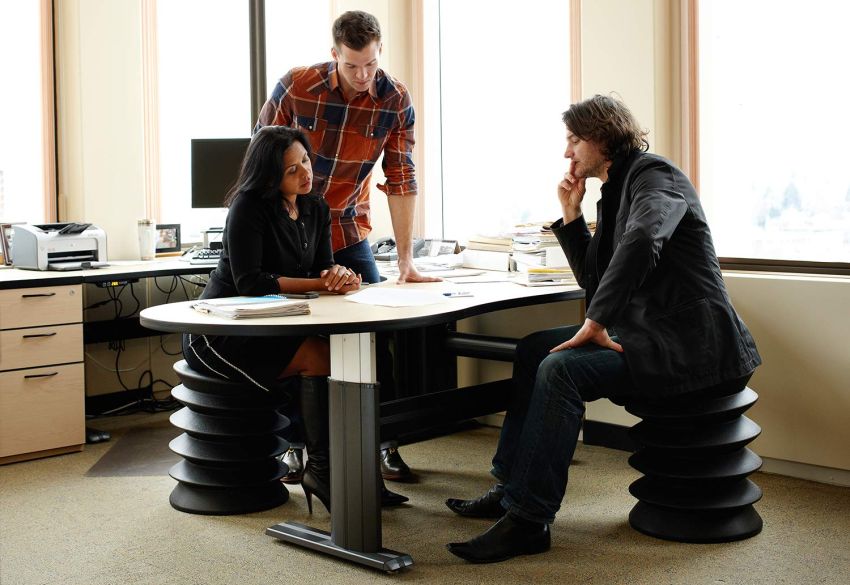
An active sitting desk chair can transform the way knowledge workers and hybrid employees experience their workday. Long hours at a desk often lead to fatigue, stiffness, and decreased productivity. By incorporating movement into sitting, ergonomic desk chairs encourage proper posture, engage core muscles, and increase alertness. Unlike traditional office chairs, these solutions allow micro-movements that help combat the physical strain of prolonged sitting. Businesses and individuals seeking to improve energy levels and workplace well-being are increasingly considering healthy seating alternatives that include active chairs and wobble chairs.
For those looking to understand the benefits and applications of an active sitting desk chair, exploring modern ergonomic solutions can provide insight into how movement-oriented seating supports both health and productivity in the workplace.
Understanding Active Sitting
Active sitting is the practice of incorporating subtle motion while seated. Rather than staying static, employees can shift their posture, balance, and weight to engage muscles that would otherwise remain inactive. The primary goal of active sitting is to reduce the negative effects of prolonged sedentary behavior.
Common forms of active seating include:
- Active chairs designed to tilt or rock
- Wobble chairs with a rounded base for gentle movement
- Balance stools that encourage upright posture
Active sitting encourages users to remain conscious of their posture, improves circulation, and helps prevent fatigue. Over time, these small movements can support long-term spinal health and overall comfort.
How an Active Sitting Desk Chair Supports Workplace Health
Sitting for extended periods without movement can lead to tension, discomfort, and decreased energy. An active sitting desk chair addresses these challenges by combining ergonomic support with movement-based seating. This allows employees to maintain focus and productivity while reducing the physical stress associated with conventional office chairs.
Key benefits of an ergonomic desk chair include:
- Improved posture and spinal alignment
- Engaging core and stabilizer muscles
- Reduced back and neck strain
- Increased energy and alertness
For hybrid employees who move between home and office setups, an active chair can provide a consistent solution for healthy seating wherever they work.
The Science Behind Movement and Productivity
Research shows that micro-movements during sitting improve blood flow, oxygen delivery, and overall cognitive function. An active sitting desk chair encourages these movements naturally, allowing employees to maintain higher energy levels throughout the day.
Employees using wobble chairs or active chairs often report feeling less fatigued during long periods of desk work. The subtle engagement of muscles also helps prevent stiffness and promotes long-term musculoskeletal health.
Incorporating movement into sitting does not disrupt workflow. Instead, it can enhance concentration and encourage more efficient task completion. Businesses that integrate active sitting solutions see improved engagement and reduced complaints related to prolonged sitting.
Comparing Active Chairs and Wobble Chairs
While active chairs and wobble chairs both promote movement, there are subtle differences in how they function:
Active Chairs:
- Allow tilting or rocking to adjust posture
- Often feature adjustable height and ergonomic design
- Suitable for extended periods at a workstation
Wobble Chairs:
- Typically have a rounded base to encourage gentle motion
- Promote balance and core engagement
- Ideal for short tasks or alternating with traditional chairs
Both options support healthier seating habits and can be selected based on employee needs, task types, and office setup.
Practical Benefits in a Modern Office
Modern offices are increasingly flexible, with hybrid teams splitting time between home and workplace. Ergonomic desk chairs provide solutions that work across different environments. These chairs allow employees to move naturally, which is essential in spaces that demand focus and extended screen time.
Key advantages of using active seating include:
- Lower risk of musculoskeletal discomfort
- Enhanced productivity and engagement
- Improved focus during complex or creative tasks
- Versatile use in collaborative or individual settings
To see how these solutions can fit into a dynamic office layout, companies can explore ergonomic office seating solutions that support movement and well-being.
Choosing the Right Active Sitting Desk Chair
Selecting the ideal chair involves evaluating ergonomics, adjustability, and usability. Not all active chairs or wobble chairs are created equal, so careful consideration ensures maximum benefit.
Factors to consider when selecting an active sitting desk chair:
- Adjustable height and tilt features
- Comfortable and supportive seating surface
- Stability and safety for all users
- Suitability for different tasks or workstation types
By choosing thoughtfully, employees experience less fatigue, better posture, and improved overall performance. These benefits extend beyond individual comfort to positively impact workplace culture.
Integrating Active Sitting into the Workday
The true value of an active sitting desk chair is realized when it is integrated thoughtfully into daily routines. Employees should alternate between active seating and traditional chairs, allowing for balance while maintaining movement.
Tips for successful integration:
- Start with short periods of active sitting and gradually increase
- Adjust the chair to suit the task and workstation
- Combine with standing desks for variation
- Encourage employees to use movement breaks alongside active seating
By blending active sitting into the workday, employees can reduce fatigue and support long-term health without interrupting workflow.
Impact on Hybrid Work Environments
Hybrid employees face unique challenges due to shifting between home and office setups. Portable and versatile active chairs or wobble chairs allow these employees to maintain healthy seating habits regardless of location.
Benefits in hybrid environments include:
- Consistent posture support
- Increased alertness during home and office work
- Easy integration with different desk types
- Encouragement of movement regardless of location
By providing flexible options, employers can support employee health and productivity even in a hybrid model.
Long-Term Advantages of Active Sitting
Investing in active sitting solutions provides long-term benefits for employees and organizations alike. Reduced musculoskeletal complaints, improved energy, and better focus contribute to a more productive workplace.
Organizations that adopt active chairs report:
- Lower absenteeism due to fatigue or discomfort
- Higher employee satisfaction and engagement
- Enhanced focus on tasks and creative problem solving
Incorporating active seating is more than a furniture choice—it is an investment in workplace wellness and efficiency.
Educating Employees on Active Sitting
To maximize the benefits, employees should understand proper use. Even though active chairs and wobble chairs encourage natural movement, guidance ensures they are used effectively.
Best practices for employees include:
- Maintaining upright posture with gentle micro-movements
- Alternating between active sitting and standard chairs
- Using movement-focused seating for short or long tasks
- Adjusting the chair for comfort and alignment
Providing educational resources or brief training sessions can help employees adapt to active sitting quickly and safely.
Evaluating Workplace Impact
Organizations can monitor the effectiveness of active sitting through employee feedback, comfort surveys, and performance metrics. Understanding how these chairs impact energy levels, focus, and musculoskeletal comfort helps justify investment and guides further office design choices.
Indicators of a successful implementation include:
- Reduced complaints of back or neck strain
- Increased employee engagement and concentration
- Positive feedback on comfort and well-being
Tracking these metrics supports ongoing ergonomic improvements in the workplace.
Conclusion
An active sitting desk chair transforms workplace seating by combining movement, comfort, and ergonomic support. By incorporating healthy seating options such as active chairs and wobble chairs, employees can maintain focus, energy, and overall well-being.
Workplaces benefit from improved productivity, reduced fatigue, and a culture that prioritizes employee health. Hybrid employees and knowledge workers gain a consistent and adaptable solution that fits both home and office environments.
For more information about integrating movement-focused seating into your workplace, businesses can explore the story behind ergonomic innovation to see how these solutions support long-term wellness and productivity.
FAQs
1. What is an active sitting desk chair?
An active sitting desk chair encourages movement and engages core muscles while seated, supporting posture and reducing fatigue.
2. How does a wobble chair differ from a standard chair?
A wobble chair has a rounded base that promotes gentle motion, balance, and core engagement, unlike a static office chair.
3. Can active chairs be used for full workdays?
Yes, active chairs are designed for extended use but can be alternated with traditional chairs for optimal comfort.
4. How does active sitting improve productivity?
By promoting movement, improving circulation, and reducing fatigue, active sitting helps employees stay alert and focused.
5. What should I consider when choosing an active sitting desk chair?
Consider adjustability, stability, comfort, ergonomic support, and suitability for different work tasks and environments.