
How Flexible Classroom Furniture Improves Focus and Engagement
Walk into most classrooms and you’ll still see rows of hard chairs, fixed desks, and students trying their best to sit still. It’s familiar, but it doesn’t really match how kids learn. Attention drops, bodies get restless, and teachers end up managing behavior instead of teaching. That’s where flexible classroom furniture starts to make a noticeable difference. It’s not about making classrooms look modern. It’s about making them work better for real students.
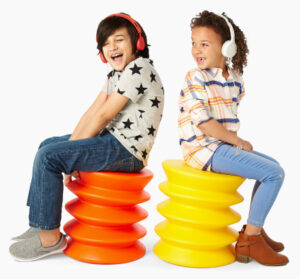
The shift is simple. Instead of forcing stillness, you allow controlled movement. Instead of one rigid setup, you give options. That alone changes how students interact with the space and with the lesson.
If you’ve ever watched a child fidget through a lesson, you already understand the problem. The interesting part is how small changes in seating can quietly fix a lot of that. Tools like children active seating are becoming more common because they work with natural behavior instead of against it.
Why traditional classroom seating struggles to keep students engaged
Most classroom furniture was designed for order, not comfort or focus. Rows make supervision easier, but they don’t help students stay engaged.
Long sitting leads to restlessness. Kids aren’t built to stay still for long stretches, especially younger ones. After 20 or 30 minutes, you’ll see it. Shifting, tapping, leaning back, anything to break the stillness. That restlessness isn’t misbehavior. It’s a physical response.
Static chairs also limit natural movement. When a student can’t adjust their posture or shift weight easily, they get uncomfortable faster. That discomfort shows up as distraction.
Over time, this affects attention span. Students drift in and out of focus. Teachers repeat instructions. Small disruptions build up and eat into learning time.
What flexible classroom furniture actually means in real classrooms
Flexible seating isn’t as complicated as it sounds. It just means giving students different ways to sit and work.
You might see a mix of stools, standing desks, floor cushions, and traditional chairs. Some students prefer stability. Others focus better when they can move a bit. The key is choice.
A lot of classrooms now include options like kids active seating because they blend movement with structure. Students can stay in one spot but still shift, balance, or lean slightly.
What’s interesting is that movement stops being a distraction when it’s built into the setup. Instead of telling students to “sit still,” teachers can focus on teaching while students manage their own comfort.
How movement directly improves student focus
This is where things get practical. Movement doesn’t just keep kids busy. It actually supports focus.
Small, controlled movements help release energy. Instead of storing that energy and eventually acting out, students can burn it off gradually without leaving their seat.
Better blood circulation also plays a role. When the body stays slightly active, oxygen flow improves. That helps students stay alert, especially during longer lessons.
Even something as simple as using a wiggle stool can make a difference. It allows subtle motion without turning the classroom into chaos. Students rock gently, adjust their balance, and stay engaged without even thinking about it.
The result is quieter classrooms, not louder ones. Movement doesn’t increase distraction when it’s controlled. It reduces it.
The connection between physical comfort and learning outcomes
Comfort gets overlooked in education, but it matters more than people think.
When students are uncomfortable, they stop paying attention. It’s that simple. They focus on shifting position instead of listening.
Comfortable students tend to participate more. They’re less distracted by their body and more open to engaging with the lesson.
Fatigue also drops when students can adjust their posture. Sitting in one position for too long drains energy. When students can move slightly, they stay fresher for longer periods.
An active sitting chair helps with this by encouraging natural posture instead of forcing it. Students sit upright because it feels better, not because they’re told to.
Over time, this builds better sitting habits without constant reminders.
Why teachers notice better classroom behavior with active seating
Teachers usually notice the difference before anyone else.
Fidgeting goes down, not because students stop moving, but because they don’t need to fidget as much. The movement they need is already built in.
Students also stay in their place longer. When they’re comfortable, they’re less likely to get up unnecessarily or shift around the room.
Participation tends to improve as well. Students who feel physically settled are more likely to answer questions, join discussions, and stay involved.
It’s not a magic fix. Classroom management still matters. But active seating removes one of the constant sources of disruption.
Where flexible furniture fits best in a classroom setup
You don’t have to redesign the entire classroom to see results. In fact, a mix often works better.
Reading corners are a great starting point. These are already relaxed spaces, so adding flexible seating feels natural.
Group work zones also benefit from it. Students can move slightly while collaborating, which often leads to better interaction.
Individual focus areas are another good fit. Some students do their best work in quiet corners with seating that supports their comfort.
Most classrooms end up with a blended setup. Traditional desks still exist, but they’re combined with flexible options. This balance keeps structure while adding flexibility.
What schools should consider before introducing flexible seating
It’s not just about buying new furniture and hoping for the best. A bit of planning goes a long way.
Age group matters. Younger children usually adapt quickly, while older students might need time to get used to it.
Classroom size also plays a role. You need enough space for movement without making the room feel crowded.
Durability is important. Classroom furniture takes a lot of use, so it needs to hold up over time.
Ease of use is another factor. Teachers shouldn’t have to spend time managing the furniture itself. It should fit naturally into daily routines.
If you’re exploring options or want to see what might work in your setup, Reach out us and get a clearer idea of what fits your classroom needs.