
Active Sitting Explained A Smarter Alternative to Traditional Office Chairs
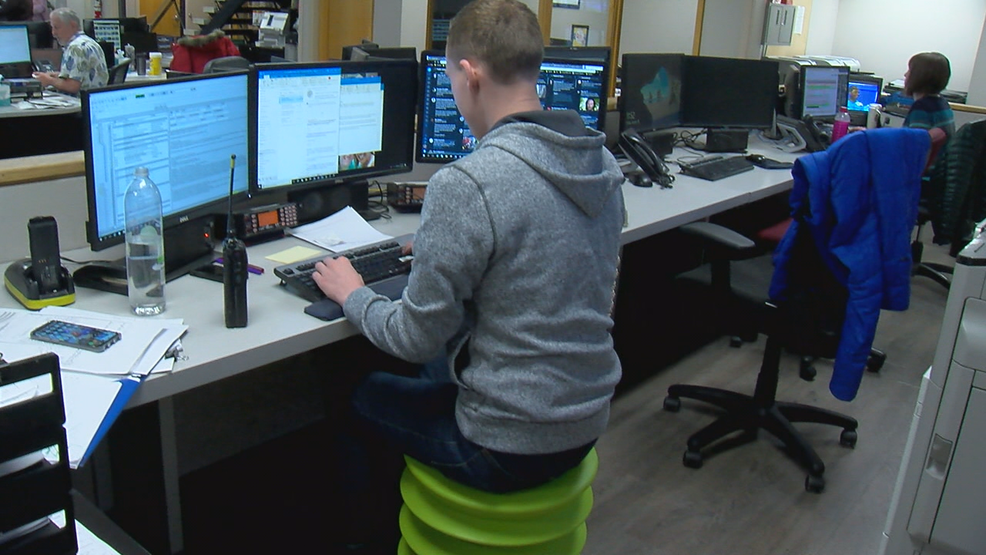
Active sitting offers a modern approach to office seating that encourages movement, improves posture, and supports overall well-being during work hours. Unlike traditional chairs, it promotes subtle shifts in position, engages core muscles, and helps reduce the health risks of prolonged sitting. This style of seating is especially valuable for office employees and remote workers who spend extended periods at a desk. Integrating active sitting into the daily routine can boost circulation, increase focus, and alleviate back discomfort.
Beyond just a chair design, active sitting emphasizes a healthy seating philosophy by challenging the body to maintain balance and stability. It reflects a move toward ergonomically conscious workspaces where dynamic posture is encouraged. Professionals looking for alternative seating solutions can benefit from options that combine movement, comfort, and long-term support.
For individuals exploring healthier ways to work, active seating solutions for modern workspaces provide information and product options specifically designed to encourage movement and comfort during work hours.
The Science Behind Active Sitting
Research shows that prolonged static sitting contributes to musculoskeletal strain, reduced circulation, and overall fatigue. Active sitting addresses these concerns by promoting micro movements that engage muscles continuously.
How Active Sitting Works
Active chairs are designed to allow controlled movement while seated. This movement may include rocking, tilting, or slight rotational motions. The subtle adjustments keep core and stabilizing muscles engaged, which improves posture over time.
Active sitting also encourages:
- Increased calorie expenditure compared to static chairs
- Enhanced blood flow and reduced stiffness
- Better focus and alertness due to dynamic posture
Health Benefits
Implementing active sitting into daily work routines supports overall musculoskeletal health. Key benefits include:
- Reduced lower back and neck pain
- Strengthened core and stabilizing muscles
- Decreased risk of postural related discomfort
Active sitting encourages small, frequent movements that counteract the negative effects of long periods spent in one position. This makes it an essential component of healthy seating strategies.
Different Types of Active Seating
Active seating encompasses various designs, each catering to different user needs and workspace environments.
Balance and Stability Chairs
These chairs feature a rounded or curved base, allowing gentle rocking or tilting. Balance chairs engage the core and require the user to maintain equilibrium, promoting active posture throughout the day.
Saddle and Ergonomic Stools
Saddle stools promote a forward tilt of the pelvis, which naturally aligns the spine. These stools encourage upright posture while providing freedom of movement for legs and hips.
Exercise Balls and Dynamic Seats
Using exercise balls as seating promotes active sitting through constant micro adjustments. While this option can enhance core strength and balance, it may require a period of adaptation to avoid fatigue or discomfort initially.
Why Active Sitting Matters for Office Professionals
Modern work environments have shifted toward extended desk time and remote work setups. Traditional office chairs often fail to support long term comfort or encourage movement, which can lead to repetitive strain injuries or postural problems.
Active sitting addresses these issues by:
- Encouraging dynamic posture throughout the workday
- Reducing discomfort associated with static positions
- Supporting overall ergonomic health and well being
Professionals adopting active chairs often experience improvements in focus, reduced tension in the neck and shoulders, and enhanced overall comfort. Choosing an appropriate alternative seating option can transform the workday experience.
Midway through the adoption process, employees and employers seeking expert guidance can explore healthy seating solutions that provide options for offices, remote setups, and home workstations.
How to Transition to Active Sitting
Shifting from a traditional chair to an active chair requires a period of adjustment. The following steps can help ease the transition:
Gradual Integration
Begin by using the active chair for short periods, gradually increasing duration as your body adapts. Switching between traditional and active seating can reduce fatigue during the initial phase.
Adjusting Desk and Monitor Height
Proper desk and monitor height are crucial for maintaining ergonomic alignment. Ensure that your eyes align with the top of the screen and that forearms rest comfortably at desk level.
Focus on Core Engagement
Active sitting relies on subtle engagement of core muscles. Being mindful of posture and avoiding slouching enhances the benefits of dynamic seating.
Evaluate Comfort and Productivity
Monitor comfort levels and work performance as you adjust. Some users may require minor modifications to chair height or tension settings to optimize posture and engagement.
Choosing the Right Active Chair
Selecting the right active chair involves assessing personal needs, workspace setup, and health goals. Consider the following factors:
- Stability and range of motion of the chair
- Height and tilt adjustability
- Cushioning and material quality
- Compatibility with existing workstation setup
An active chair should support healthy seating while enabling natural movement without compromising focus or productivity.
Active Sitting in Home and Remote Work Environments
The rise of remote work has highlighted the importance of comfortable and supportive seating at home. Active sitting offers a practical solution for home office setups, where traditional chairs may not provide adequate support or encourage movement.
Benefits for Remote Workers
Remote workers benefit from active seating by:
- Reducing back and neck strain from prolonged desk time
- Encouraging periodic micro movements that stimulate circulation
- Creating an ergonomic environment that mimics office-based setups
Incorporating Active Chairs in Small Spaces
Active chairs can fit into compact home office setups, providing mobility and flexibility without requiring large footprints. Choosing a design that complements workspace dimensions is essential for maximizing comfort and utility.
Maintaining Benefits of Active Sitting
To gain the full advantage of active sitting, consistent use and proper technique are important. Regular movement, adjustments, and breaks support musculoskeletal health and productivity.
Simple Daily Practices
- Stand or walk for a few minutes every hour
- Stretch and rotate shoulders and neck periodically
- Engage core muscles while seated to maintain posture
These simple practices reinforce the positive effects of active seating.
Monitoring Physical Response
Pay attention to any discomfort or strain and adjust the chair settings or usage duration accordingly. Continuous assessment ensures that active sitting remains a beneficial addition to your work routine.
Conclusion
Active sitting offers a smarter, healthier alternative to traditional office chairs, improving posture, comfort, and focus for professionals and remote workers alike. By promoting dynamic movement, engaging core muscles, and supporting overall musculoskeletal health, active seating enhances the workday experience and encourages long term wellness.
Individuals exploring dynamic seating options and ergonomic office solutions can find guidance and products tailored to active sitting through ergonomic seating experts. Incorporating active chairs into office and home setups ensures healthier, more productive work habits.
Frequently Asked Questions
1. What is active sitting
Active sitting refers to a style of seating that encourages subtle movement and engages core muscles while working, unlike traditional static chairs.
2. Who benefits most from active seating
Office professionals, remote workers, and anyone spending long hours at a desk can benefit from improved posture and reduced musculoskeletal strain.
3. How long should I use an active chair daily
Start with short periods and gradually increase as your body adapts. Consistency and proper posture are more important than continuous use.
4. Are exercise balls effective for active sitting
Yes, exercise balls promote micro movements and core engagement, but adaptation may take time to avoid fatigue.
5. Can active chairs improve focus and productivity
By reducing discomfort and encouraging movement, active chairs can help maintain concentration and enhance overall work efficiency.