
Ergo Statement: How to Style Your Living Space with Active Seating
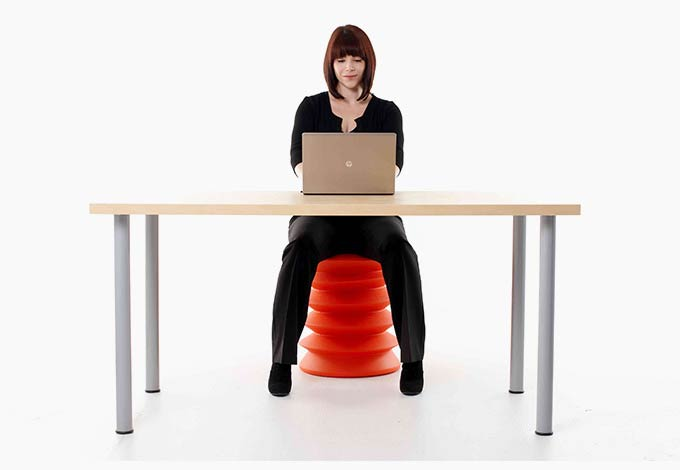
Active seating is transforming modern homes, as furniture evolves beyond purely aesthetic purposes. Homeowners and interior designers are increasingly exploring solutions that blend style, comfort, and wellness. These non-traditional seating options also support mindful sitting, promoting movement while sitting and encouraging posture awareness and core engagement, positively impacting both physical health and mental well-being.
The rise of wellness-focused interiors has created a need for ergonomic home decor ideas? that prioritize both functionality and visual appeal. Incorporating active seating at home allows living spaces to be dynamic, adaptable, and aligned with contemporary lifestyle needs. This approach not only enhances comfort but also supports long-term wellness through small, consistent movements.
For professionals and homeowners looking to incorporate these principles, resources on lifestyle-focused ergonomic solutions provide insights into designing interiors that harmonize movement, form, and function.
Ergonomic Home Decor Ideas: Blending Function and Design
Designing a home with both wellness and aesthetics in mind requires careful selection of furniture pieces that support active seating at home. The concept revolves around furniture that allows gentle motion, helping users maintain posture, engage core muscles, and reduce discomfort from prolonged sitting.
Key considerations for integrating ergonomic furniture into home interiors include:
- Movement-friendly designs: Encourage micro-movements for better posture and circulation.
- Space-efficient options: Compact ergonomic furniture fits seamlessly into small apartments or multi-purpose rooms.
- Functional versatility: Furniture pieces that serve as seating, accent décor, or tabletop support.
- Color harmony: Selections that complement the room’s overall palette.
- Wellness-driven focus: Supports both physical and mental comfort.
An example of a product balancing these elements is the ErgoErgo stool, which provides movement and ergonomic support while functioning as a design-forward piece. Its sleek profile and flexible design make it suitable for multiple interior styles, from modern minimalist spaces to eclectic settings.
Compact Ergonomic Furniture: Form Meets Function
Compact ergonomic furniture is ideal for contemporary interiors where efficiency and design are equally important. Smaller homes, studios, or multi-purpose areas benefit from pieces that are lightweight, mobile, and multifunctional.
The ErgoErgo stool is a prime example of how furniture can combine compact design with ergonomic benefits. Its small footprint allows for easy placement in various rooms, serving as an accent stool, seating for tabletop meetings, or even a flexible addition to a reading corner.
Additionally, its subtle movement and flexible design make it a helpful sensory seating option for children with special needs, supporting focus, grounding, and gentle motion.
| Space Type | Suggested Placement | Design Impact |
| Living Room | As an accent stool near seating | Enhances visual interest and supports movement |
| Home Office | As an ergonomic seating option | Encourages posture awareness while working |
| Reading Nook | Near windows or shelves | Offers comfort and core engagement |
| Entryway | Quick seating for shoes or bags | Adds functionality in small spaces |
Benefits of compact ergonomic furniture include:
- Space-saving solutions for limited areas
- Lightweight design for mobility and flexibility
- Multi-functional use for seating and décor
- Alignment with modern design and wellness principles
Designers can strategically place compact furniture to encourage activity without compromising the aesthetic balance of a space.
Active Seating at Home: Enhancing Wellness
The trend of incorporating active seating at home reflects a shift in interior design philosophy. Homes are now envisioned as spaces that promote movement, comfort, and health. Unlike traditional static furniture, active seating supports micro-movements that reduce fatigue and improve posture. This gentle, movement-based approach supports mindful sitting throughout daily activities, enhancing comfort and awareness.
Benefits of active seating include:
- Gentle motion to engage muscles and reduce stiffness
- Support for core engagement at desk or leisure areas
- Encouragement of proper posture awareness
- Functional design that complements various interior styles
Many families also find that its movement-based design provides valuable sensory input for children with special needs, offering a supportive way to stay grounded and engaged during seated activities.
The ErgoErgo stool embodies these principles. Its ergonomic design encourages natural movement and core stability, making it a practical addition to living rooms, home offices, or creative spaces. Integrating such furniture ensures that wellness is incorporated seamlessly into daily routines.
For additional guidance on how active seating contributes to modern interior design, explore product insights and applications that highlight the functional and aesthetic benefits of ergonomic furniture in home environments.
Decor and Wellness: Creating Balance
A balanced approach to decor and wellness involves designing spaces that are visually appealing and health-conscious. Furniture that promotes movement contributes to overall well-being while maintaining the room’s style coherence.
Consider the following when designing wellness-driven interiors:
- Open layouts that encourage flow and accessibility
- Color palettes that create a calming or energizing atmosphere
- Textures and finishes that enhance comfort and warmth
- Multi-functional furniture pieces that combine health benefits with visual appeal
The ErgoErgo stool fits this philosophy perfectly. Its ergonomic design aligns with wellness objectives, while its sculptural form complements contemporary home decor. By integrating movement-based seating, homeowners can foster a healthy living environment without sacrificing design aesthetics.
Accent Stool as a Design Statement
An accent stool serves both functional and aesthetic purposes in modern interiors. The ErgoErgo stool, with its active seating features, goes beyond mere decoration, providing ergonomic support and movement opportunities.
Ways to style an accent stool effectively:
- Pair with a sofa or armchair to create layered seating arrangements
- Use as a standalone sculptural piece in open spaces
- Select complementary or contrasting colors to enhance visual interest
- Integrate near windows or natural light sources to highlight design features
The ability to choose from multiple color options allows the stool to blend with or stand out against existing decor, offering flexibility for interior designers and homeowners.
Color Options and Design Trends
Color plays a pivotal role in modern home design. Selecting the right tone for furniture not only enhances the visual appeal but also contributes to wellness.
ErgoErgo stools are available in a wide range of colors to suit diverse design preferences:
- Neutral shades for minimalist and serene interiors
- Bold colors for focal points or playful areas
- Deep hues for sophisticated, statement-making rooms
Current design trends in ergonomic home decor emphasize:
- Multi-functional furniture
- Compact, adaptable pieces for urban living
- Integration of wellness principles in everyday furniture
- Use of sustainable, durable materials
For designers and homeowners looking to incorporate wellness into their interiors, understanding the story behind such innovative furniture enhances appreciation. Learn more about the design philosophy and journey of ergonomic solutions to understand how aesthetics and function intersect.
Conclusion
Modern interiors increasingly embrace active seating as a key element of design and wellness. The ErgoErgo stool exemplifies how ergonomic principles can be seamlessly integrated into home decor, offering movement, comfort, and style in a single piece.
By combining compact ergonomic furniture with thoughtful color choices and design strategies, homeowners and interior designers can create living spaces that are functional, visually appealing, and health-conscious. These ergonomic home decor ideas demonstrate that wellness and style are not mutually exclusive but can coexist harmoniously to elevate the living experience.
Frequently Asked Questions
1. What are ergonomic home decor ideas?
Ergonomic home decor ideas involve designing interiors that support posture, movement, and comfort while maintaining visual appeal.
2. How can active seating at home improve wellness?
Active seating encourages subtle movements that engage core muscles, improve posture, and reduce discomfort during extended sitting periods.
3. Is compact ergonomic furniture suitable for small spaces?
Yes, compact pieces like the ErgoErgo stool are lightweight, adaptable, and designed for apartments, studios, and multi-purpose areas.
4. How can an accent stool be incorporated into home interiors?
It can serve as seating, a decorative focal point, or a functional tabletop surface, and color selection enhances its visual impact.
5. Why are color options important in ergonomic furniture?
Color influences mood and design cohesion. Selecting the right tone ensures the furniture complements the overall interior aesthetic.