
ErgoErgo vs ExtraErgo: Choosing the Right Active Stool for Your Body
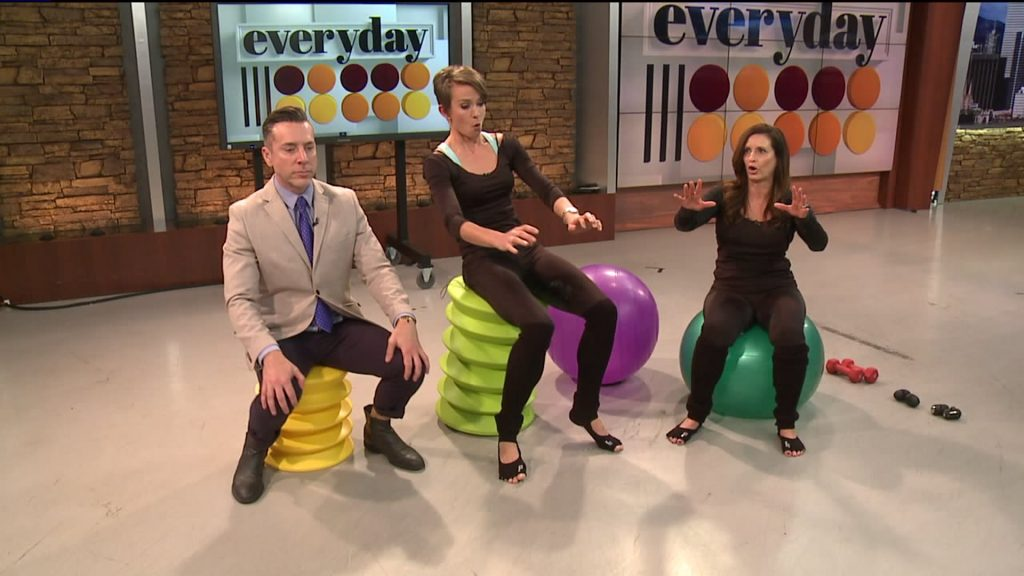
Choosing between the ErgoErgo and ExtraErgo often comes down to the question of which active stool fits your body and your workspace. While both encourage active sitting, the right choice depends on your height, desk setup, and how much stability you need. Buyers usually look for clear insight into how different designs perform in everyday use rather than relying only on surface level specifications. This type of evaluation matters because body proportions, desk heights, and sitting habits vary widely. Having a practical understanding of how each option feels in real conditions helps reduce the risk of choosing seating that becomes uncomfortable or unsuitable over time.
Active stools are intended to encourage gentle movement while seated, supporting engagement without forcing the body into a fixed position. This category of seating is built around adaptability, allowing it to respond naturally to different users and work environments. Reviewing the design philosophy and intended use behind these products can provide helpful context before focusing on detailed features or measurements.To better understand how these stools are intended to function, you can review the full range on the official ergoErgo website.
Why Body Fit Matters in Active Seating
Active seating relies heavily on how well the stool aligns with your physical proportions. Unlike traditional chairs, these stools respond directly to weight shifts and posture changes. When the size is incorrect, users may experience instability, leg strain, or discomfort rather than ergonomic support.
A well-fitted active stool supports neutral posture, allows feet to rest naturally on the floor, and encourages controlled motion rather than constant correction. This makes sizing one of the most important factors when deciding between models.
Overview of the ErgoErgo Model: Compact Spaces and Controlled Motion
The ErgoErgo stool is designed with a compact form that suits users who prefer a smaller seat and more controlled movement. It works well in standard desk environments and supports users who want gentle motion without excessive tilt.
Key characteristics include:
- A smaller seat diameter for closer leg positioning
- Height adjustment suited to standard desk heights
- Controlled movement that feels predictable
- A lighter overall build compared to larger models
This model often appeals to users who are new to active seating or who prefer a more restrained motion profile during focused work.
Overview of the ExtraErgo Model: Extra Height and Stability
The ExtraErgo stool is built for users who need additional space, height range, or stability. Its design supports broader frames and higher desk setups while maintaining the benefits of active sitting.
Rather than feeling oversized, the ExtraErgo focuses on balance and support. Users who feel cramped on smaller stools often appreciate the increased seat surface and wider base. Detailed dimensions and specifications can be reviewed on the ExtraErgo product page.
Seating Size Guide: How to Choose the Right Fit
Choosing the right size stool often comes down to matching proportions rather than preferences. A seating size guide helps translate body measurements into a more comfortable sitting experience.
General considerations:
- Short/Petite Users: Often feel more stable on the standard ErgoErgo.
- Tall Users: Should look for the ExtraErgo for higher maximum seat heights.
- The “Knee Test”: If your knees sit too high or feet don’t rest flat, the stool is too small
Stability Comparison in Everyday Use
Stability influences how confident users feel while seated. Some prefer a stool that responds quickly to movement, while others want a calmer, more grounded experience.
The ErgoErgo offers a controlled range of motion that limits excessive tilt. The ExtraErgo provides a wider base that feels steadier, especially for taller users or those who lean frequently while working. Neither approach is inherently better, but they suit different movement styles.
Weight Capacity and Structural Feel
Weight capacity affects more than safety. It also influences how the stool responds under load and how durable it feels over time.
Points to consider:
- Higher capacity can improve perceived stability
- Structural strength impacts long-term performance
- Capacity affects responsiveness during movement
Choosing a stool with sufficient capacity ensures consistent support and predictable motion during daily use.
Desk Height Compatibility
Desk height plays a major role in stool selection. Active stools must align properly with work surfaces to maintain neutral posture.
Standard desks typically pair well with lower height ranges, while standing desks require stools that adjust higher. Users who frequently change desk height may benefit from a model with a broader adjustment range to maintain comfort throughout the day.
Which Model for Me: Making a Practical Choice
When asking which model for me, it helps to think about how you actually work rather than focusing only on measurements.
The ErgoErgo may suit users who:
- Have a smaller frame
- Work at a standard desk
- Prefer subtle, controlled movement
The ExtraErgo may suit users who:
- Are taller or broader
- Use higher desk setups
- Want increased stability with motion
Personal habits often matter just as much as physical dimensions.
Ergonomic Comparison Over Time
The real difference between stools often becomes clear after several hours of use. Ergonomic comparison should focus on how your body feels at the end of the day.
Users commonly assess lower back comfort, hip alignment, leg circulation, and overall fatigue. A well-matched stool supports movement without demanding constant attention.
Adapting to Active Sitting
Active stools involve a short adjustment period as core muscles engage more frequently. Gradual use helps the body adapt without strain.
Helpful adaptation practices include:
- Increasing sitting time gradually
- Alternating with standing or walking
- Making small height adjustments
Discomfort that persists beyond the adjustment phase often indicates a sizing mismatch rather than adaptation.
Conclusion
Choosing between ErgoErgo vs ExtraErgo is ultimately about matching the stool to your body, desk height, and movement preferences. Both models support active sitting, but their differences in size, stability, and capacity matter in daily use. Taking the time to compare these factors leads to a more comfortable and sustainable setup. If you need clarification on sizing or setup, the ergoErgo contact team can help answer specific questions.
Frequently Asked Questions
1. Can active stools be used all day?
Many users alternate between active sitting and standing for the best balance of comfort and movement.
2. Are these stools suitable for standing desks?
Yes, but desk height should be matched carefully with the stool’s adjustment range.
3. How do I know if a stool is too small?
Signs include raised knees, unstable footing, or discomfort after short periods.
4. Does higher weight capacity improve comfort?
Higher capacity often increases stability and durability, which can enhance comfort.
5. Is an adjustment period normal?
Yes, most users experience a short adaptation phase as muscles adjust.