
The Science Behind Active Seating and Core Engagement
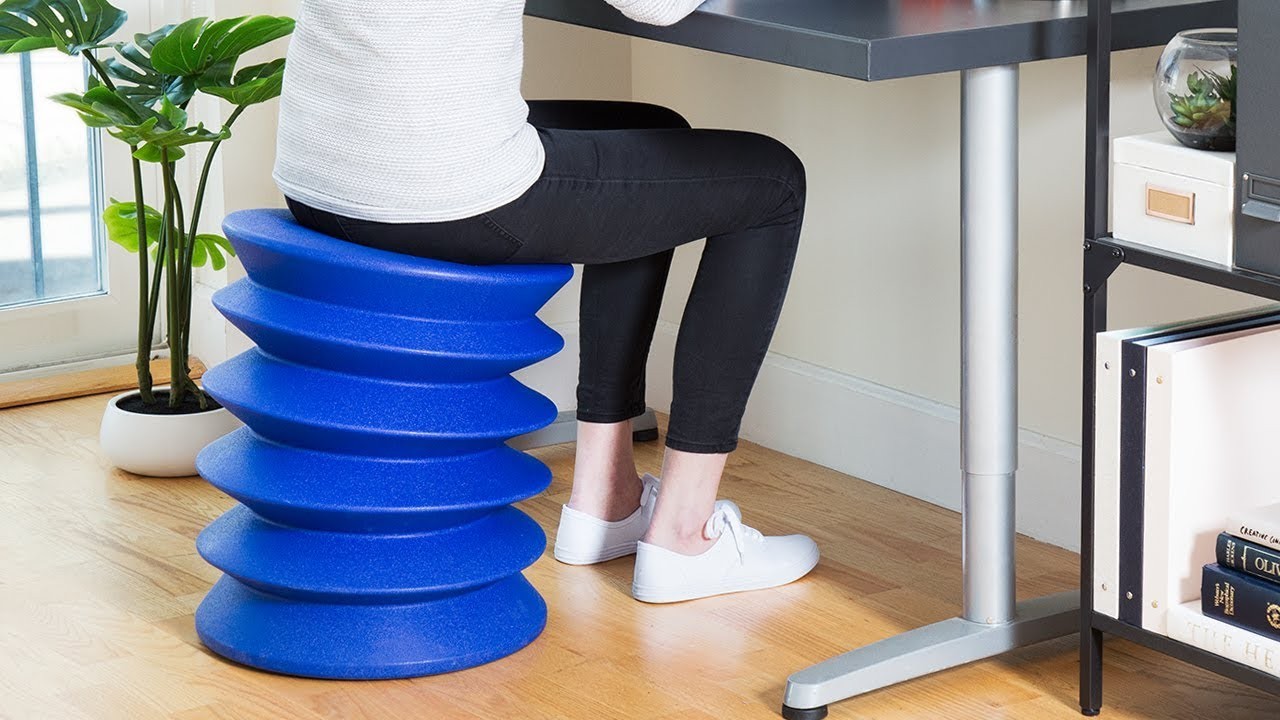
Active sitting offers a modern approach to office seating that encourages movement, improves posture, and supports overall well-being during work hours. Unlike traditional chairs, it promotes subtle shifts in position, engages core muscles, and helps reduce the health risks of prolonged sitting. This style of seating is especially valuable for office employees and remote workers who spend extended periods at a desk. Integrating active sitting into the daily routine can boost circulation, increase focus, and alleviate back discomfort.
Beyond just a chair design, active sitting emphasizes a healthy seating philosophy by challenging the body to maintain balance and stability. It reflects a move toward ergonomically conscious workspaces where dynamic posture is encouraged. Professionals looking for alternative seating solutions can benefit from options that combine movement, comfort, and long-term support.
For those interested in exploring scientifically backed methods, resources on health and wellness benefits of active seating provide detailed insights into posture improvement, core activation, and ergonomic strategies.
Understanding Core Engagement While Sitting
Core engagement involves activating the muscles of the abdomen, lower back, and pelvis to maintain stability and proper posture. These muscles are essential for supporting the spine and preventing discomfort during prolonged sitting.
How Core Engagement Benefits Posture
Engaging the core helps maintain the natural curvature of the spine, reducing slouching and forward head posture. This improves alignment of the cervical, thoracic, and lumbar regions, which can prevent common complaints such as neck stiffness and lower back pain.
Core engagement while sitting encourages the use of stabilizing muscles that are often underused in traditional chairs. Regular activation of these muscles can contribute to long term strength, enhanced balance, and better spinal support.
The Role of Active Seating
Active seating, such as a posture stool or core strengthening stool, facilitates gentle movements that keep core muscles engaged. These chairs are designed to allow tilting, rocking, or micro movements that continuously challenge stabilizing muscles without causing strain.
Benefits of combining active seating with core engagement include:
- Improved spinal alignment and posture
- Reduced risk of lower back and neck discomfort
- Enhanced circulation and reduced stiffness
Active seating encourages a dynamic seated experience, helping users maintain awareness of their posture while engaging muscles that support the spine.
Types of Active Seating for Core Engagement
There are several designs of active seating that promote core engagement and posture improvement. Each type offers unique benefits and may suit different environments or preferences.
Core Strengthening Stools
Core strengthening stools are designed to activate core muscles through controlled instability. The rounded or flexible bases allow subtle rocking or tilting, encouraging constant micro adjustments. These stools are particularly useful for individuals looking to improve core strength while performing seated tasks.
Posture Stools
Posture stools focus on maintaining proper spinal alignment. They often feature angled seats or ergonomic designs that naturally encourage an upright position. Posture stools are beneficial for individuals who need consistent posture support during long work sessions or study periods.
Dynamic Balance Chairs
Some active seating options incorporate a ball or curved base to create dynamic balance requirements. These designs require the user to maintain equilibrium, further engaging core muscles while seated. Dynamic balance chairs offer an added challenge that can strengthen stabilizing muscles over time.
The Science Behind Muscle Activation
Research indicates that maintaining an engaged core while sitting increases muscle activity in the abdominals, obliques, and lower back. This continuous engagement helps prevent muscle atrophy, improves endurance, and reduces the negative effects of sedentary behavior.
Benefits for Spine Health
Proper core engagement combined with active seating supports spine health by:
- Maintaining natural spinal curves
- Reducing pressure on lumbar discs
- Minimizing forward head posture
- Enhancing long term postural habits
Health-conscious adults can use these strategies to prevent common musculoskeletal complaints associated with prolonged sitting.
Incorporating Movement
Active seating allows users to incorporate gentle rocking, swivelling, or tilting into their seated routine. These movements promote blood flow, reduce stiffness, and improve overall comfort during extended periods of sitting. Integrating brief standing or stretching breaks alongside active seating further enhances spinal health and core activation.
For guidance on incorporating active seating into a daily routine and understanding the long-term benefits for spine health, individuals can explore more on ergonomic solutions and wellness strategies.
Choosing the Right Active Seating
Selecting the most suitable active seating option depends on individual needs, workspace environment, and personal comfort preferences.
Factors to consider include:
- The degree of movement allowed by the seat
- Height and adjustability to fit desk ergonomics
- Cushioning and support for prolonged use
- The level of core engagement required
Using a well-designed posture stool or core strengthening stool ensures that users receive maximum benefits without compromising comfort or concentration.
Integrating Active Seating Into Daily Life
Adopting active seating and core engagement requires gradual integration into daily routines. Users should start with short sessions to allow muscles to adapt and gradually increase usage time.
Tips for Effective Use
- Maintain upright posture and avoid slouching
- Engage core muscles consciously while seated
- Alternate between traditional seating and active seating
- Take brief standing or movement breaks every hour
These practices help maintain comfort, prevent fatigue, and reinforce the benefits of core engagement over time.
Home and Work Applications
Active seating can be implemented in both home and office environments. It is particularly useful for individuals who spend long hours working at a desk, studying, or performing computer-based tasks. Compact designs like posture stools fit easily into small workspaces while providing ergonomic benefits.
Long Term Benefits
Consistent use of active seating with core engagement supports overall musculoskeletal health, posture, and functional strength. Benefits include:
- Strengthened core muscles
- Reduced back and neck pain
- Improved balance and stability
- Enhanced awareness of posture
Maintaining a regular routine with active seating helps create lasting habits that promote spine health and overall wellbeing.
Monitoring Comfort and Adaptation
Users should pay attention to their body’s response to active seating. Adjustments in seat height, tilt, or tension can optimize comfort and muscle engagement. Regular reassessment ensures the continued effectiveness of active seating in daily life.
Conclusion
Active seating and core engagement offers a scientifically supported approach to healthier sitting, improving posture, spine health, and core strength. By integrating dynamic movement and muscle activation into seated routines, adults can reduce discomfort, enhance functional strength, and maintain long term musculoskeletal health.
For those seeking additional guidance and resources on implementing active seating strategies and selecting suitable ergonomic solutions, visiting ergonomic wellness experts provides valuable information and recommendations. Incorporating active seating and core engagement into daily life supports better posture, healthier spine alignment, and long-term wellbeing.
Frequently Asked Questions
1. What is active seating and core engagement
Active seating and core engagement is a seated approach that promotes dynamic posture, micro movements, and core muscle activation to support spine health.
2. Who can benefit from active seating
Health-conscious adults, office workers, remote workers, and anyone spending long periods seated can benefit from improved posture and core strength.
3. How do posture stools and core strengthening stools help
These seating options encourage upright posture, subtle movements, and core activation, reducing strain on the spine and improving overall musculoskeletal health.
4. How long should I use active seating daily
Start with short periods and gradually increase duration as muscles adapt. Consistency is more important than continuous use.
5.Can active seating improve long term spine health
Yes, by maintaining proper spinal alignment, engaging stabilizing muscles, and encouraging movement, active seating supports long term spine and posture health.