
Why Sustainable Active Seating Matters: The Story Behind ErgoErgo
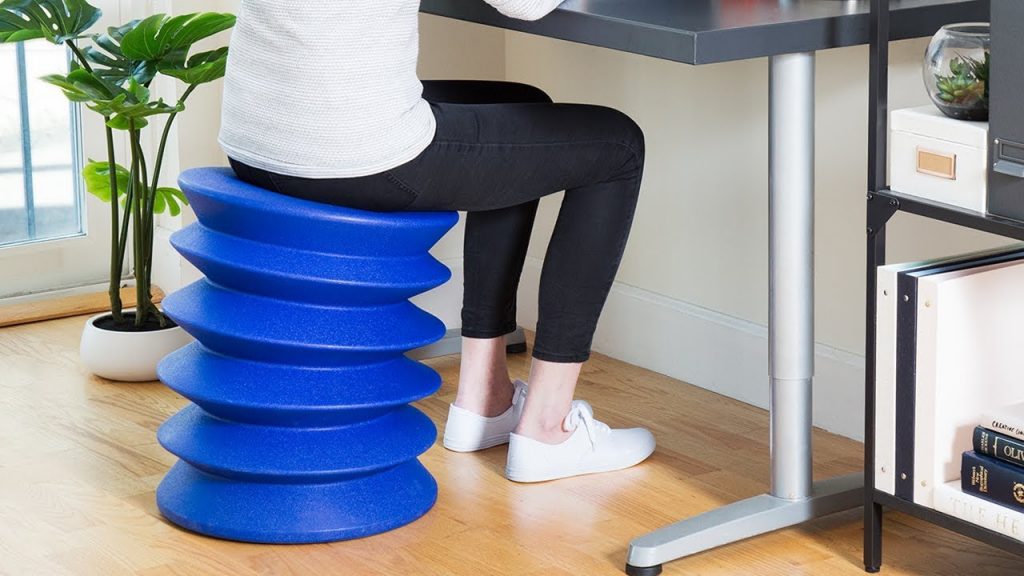
Sustainable active seating is more than a trend; it represents a commitment to both personal well-being and environmental responsibility. At ergoErgo, the approach to seating combines ergonomic design with sustainability principles, ensuring that every chair contributes positively to user health and the planet. Eco-conscious buyers increasingly ask questions such as, “Is ErgoErgo recyclable?” and how its design and materials impact the environment, product lifespan, and manufacturing footprint.
Sustainable active seating addresses two fundamental needs: the health of the user and the health of the planet. Through innovative use of green materials, recycled technopolymer, and eco-design principles, ergoErgo exemplifies how functional furniture can be environmentally responsible without compromising comfort or durability. For individuals seeking more information on ergonomics and lifestyle integration, the ergoErgo lifestyle collection offers a comprehensive overview.
The Core of Sustainable Active Seating
Sustainable active seating is built around three main pillars: environmental responsibility, long-term usability, and compliance with safety and performance standards.
- Eco-design: The design process considers environmental impact at every stage, from material selection to end-of-life recyclability.
- Green materials: ergoErgo prioritizes materials that minimize ecological footprint, including recycled technopolymer for structural components.
- Durability and product lifespan: Investing in long-lasting seating reduces the need for frequent replacement, lowering overall environmental impact.
By addressing these pillars, ergoErgo ensures that sustainable seating contributes positively to both daily ergonomic practice and environmental stewardship.
Understanding the Materials: Green and Recyclable
One of the most significant questions eco-conscious buyers ask is, “Is ErgoErgo recyclable?” The answer is affirmative. ergoErgo products are crafted from recyclable materials such as recycled technopolymer, which allows chairs to be returned to the production cycle at the end of their life.
Key material attributes include:
| Material | Purpose | Environmental Benefit |
| Recycled Technopolymer | Chair frame and base | Reduces raw plastic use, supports circular economy |
| Eco-friendly upholstery | Seat surfaces | Low VOC, minimal chemical emissions |
| Steel components | Reinforcement | Durable, recyclable at end-of-life |
These materials are not only selected for their environmental credentials but also for their ability to meet regulatory compliance, including BIFMA and CAL65 standards.
In addition to material selection, ergoErgo emphasizes made in USA manufacturing, which reduces transportation-related carbon emissions and supports local industry. More about the company’s sustainability story can be explored on ergoErgo’s official webpage.
Eco-Design Principles in ergoErgo
Eco-design is central to ergoErgo’s philosophy. It ensures that every chair is designed to minimize environmental impact while maximizing user benefits. Core principles include:
- Lifecycle thinking: Each product is designed with the entire lifecycle in mind, from sourcing and manufacturing to recycling.
- Energy efficiency: Manufacturing processes are optimized to reduce energy consumption.
- Material optimization: Minimizing waste through precise engineering and modular construction.
- Recyclability: Components are designed to be easily separated and recycled, addressing the question: “Is ErgoErgo recyclable?”
This approach ensures that every ErgoErgo chair contributes to sustainable living, reducing resource waste while delivering ergonomic performance.
Compliance and Certification
Sustainability in active seating is not only about materials and design; it also requires adherence to established standards. ergoErgo products meet and often exceed:
- BIFMA Compliance: Ensuring safety, durability, and structural integrity in commercial environments.
- CAL65 Compliance: Certifying low chemical emissions for safe indoor air quality.
Compliance with these standards demonstrates that sustainable active seating can meet the rigorous demands of professional and home environments without compromising health or environmental responsibility.
Product Lifespan and Durability
An important aspect of sustainability is product lifespan. A longer-lasting chair reduces the need for replacement, conserving resources and energy. ergoErgo seating is engineered for extended use, with durable frames, wear-resistant components, and modular parts that can be repaired or replaced individually.
| Feature | Benefit | Sustainability Impact |
| Recycled technopolymer frame | Strong, lightweight | Reduces virgin material usage |
| Replaceable components | Extends chair life | Reduces waste and landfill contribution |
| Ergonomic adjustments | Maintains comfort over years | Prevents early disposal due to discomfort |
By combining durability with repairable design, ergoErgo actively promotes a circular economy approach to furniture.
Manufacturing Insights: Made in USA
Manufacturing locally has a measurable impact on sustainability. All ergoErgo products are made in USA, which reduces transportation emissions and supports responsible labor practices. Local production also allows the brand to maintain strict quality control, ensuring that each chair meets eco-design and ergonomic standards.
Key benefits of domestic manufacturing include:
- Reduced carbon footprint from transportation
- Stronger oversight on material sourcing
- Enhanced support for local communities
- Faster iteration and improvements in design
Sourcing materials responsibly and producing chairs locally ensures that sustainability is embedded in every stage of the ErgoErgo lifecycle.
Lifestyle Integration and User Responsibility
Sustainable active seating extends beyond the manufacturing floor into daily use. Users can further reduce environmental impact by:
- Following care instructions to extend product lifespan
- Using chairs in versatile spaces to reduce the need for additional furniture
- Recycling or returning components at the end of life
For guidance on integrating active seating into a sustainable lifestyle, ergoErgo provides insights and resources in its lifestyle collection. These tips help users maximize ergonomic benefits while supporting environmental goals.
The Story Behind ergoErgo
The ethos of sustainability is deeply embedded in ergoErgo’s brand story. Founded with a commitment to both human health and environmental stewardship, the company prioritizes eco-design, green materials, and compliance with the highest standards. Every chair reflects the principle that functional, ergonomic products can coexist with environmental responsibility.
Choosing Green Materials
Green materials form the backbone of sustainable active seating. Recycled technopolymer provides strength and durability while minimizing raw plastic consumption. Upholstery and finishes are selected for low VOC emissions, ensuring safe indoor air quality.
The combination of recycled and eco-certified materials enables ErgoErgo chairs to achieve a lower carbon footprint without sacrificing performance or aesthetics.
Balancing Ergonomics and Sustainability
A key challenge in sustainable seating is maintaining ergonomic integrity while prioritizing environmental responsibility. ergoErgo addresses this through:
- Adjustable components to support diverse users
- Modular design to reduce waste and enable repair
- Lightweight but strong materials to optimize transport efficiency
This ensures that sustainability does not come at the expense of user comfort or health.
Summary Table: Sustainability Features of ErgoErgo
| Feature | Description | Benefit |
| Recycled Technopolymer | Primary chair frame material | Reduces raw material use and supports recycling |
| Eco-friendly Upholstery | Low VOC fabrics | Safe indoor air quality |
| Modular Design | Replaceable parts | Extends product lifespan and reduces waste |
| Made in USA | Local production | Lowers transportation emissions and supports local industry |
| BIFMA & CAL65 Compliance | Safety and chemical standards | Assures long-term quality and environmental responsibility |
This table highlights how ErgoErgo incorporates sustainability at multiple levels, from materials and design to manufacturing and compliance.
Conclusion
Sustainable active seating is a cornerstone of ergoErgo’s philosophy, blending ergonomics, environmental responsibility, and longevity. By integrating eco-design, green materials, recycled technopolymer, and compliance with BIFMA and CAL65 standards, ErgoErgo chairs offer both health and ecological benefits.
Choosing an ErgoErgo chair is not just a functional decision; it is a conscious investment in sustainability. Every chair is designed for extended use, repairability, and recyclability, answering the common question: “Is ErgoErgo recyclable?” For eco-conscious buyers who want to understand the full story of the brand, its environmental credentials, and manufacturing insights, more information is available through ergoErgo’s company story.
By embracing sustainable active seating, users contribute to a circular economy while enjoying ergonomic support that enhances daily life.
Frequently Asked Questions
1. Is ErgoErgo recyclable?
Yes. ErgoErgo chairs are made with recyclable materials, including recycled technopolymer, allowing components to be returned to production at the end of their lifecycle.
2. What makes ErgoErgo eco-friendly?
The use of green materials, modular design, low VOC fabrics, and compliance with BIFMA and CAL65 ensures both environmental responsibility and user safety.
3. Are ErgoErgo products made in USA?
Yes. All ErgoErgo products are manufactured in the USA, reducing transportation emissions and supporting local industry.
4. How long does an ErgoErgo chair last?
With proper care, an ErgoErgo chair can last many years. Modular design allows individual components to be repaired or replaced, extending product lifespan.
5. What is eco-design in ErgoErgo chairs?
Eco-design considers environmental impact at every stage, from materials and manufacturing to use and end-of-life recycling.